
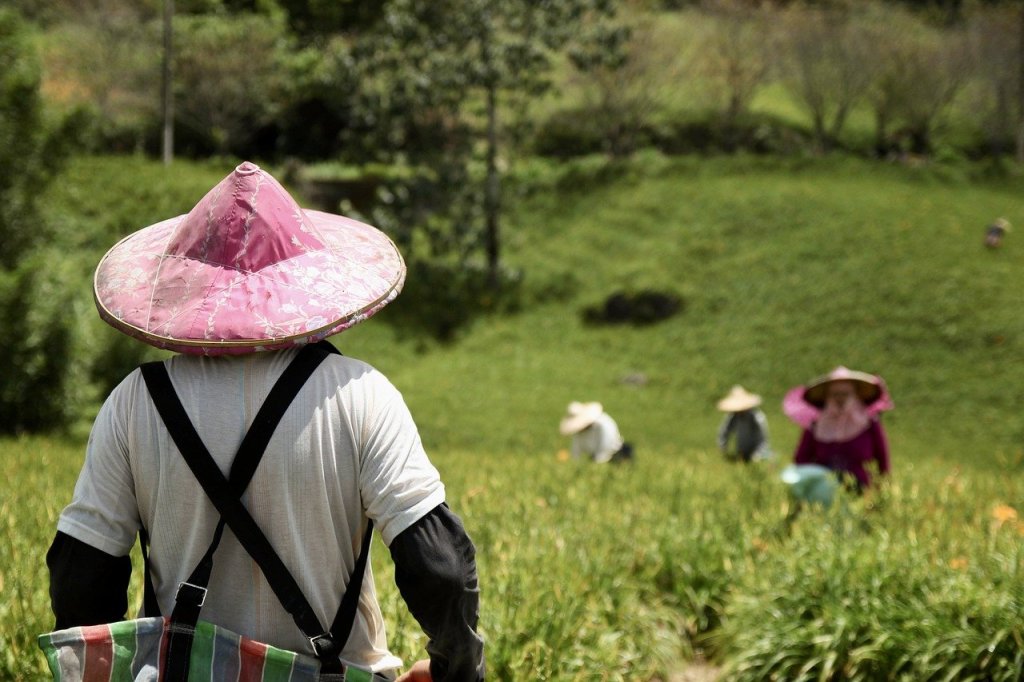
The world’s food production is highly dependent on smallholder farmers, with around one third of its supply being fulfilled through small holder farmers. However these farmers are currently facing significant challenges in food security. The majority of these farmers resides in rural areas in developing countries, are experiencing hardships due to declining crop quality and productivity. Not just their life being threatened but in consideration of some agricultural products being highly produced in Asian countries, the whole customers around the globe should have more awareness toward the problem. According to the OECD report, the farmers are put to the rising threats of the unstopping climate change and is being harshly affected on their agricultural activities. Furthermore, the lack of knowledge are exacerbating their exposure to chronic poverty.
Indeed, there have been signs of sustainable movements within the agricultural sectors in Asia. One notable initiative is the ‘Farmer Field School’ Program. Unlike traditional top-down approaches, this program adopts a bottom-up approach. The Farmer Field School (FFS) program has evolved over time, adapting to changing trends and farmers’ needs and has brought about significant changes in agricultural practices among Asian farmers. The evolution of the FFS was from Indonesia which aimed to control pests effectively in the rice field. This was the most common approach of the FFS in the initial stage.
The transformation of the FFS, and the education progarm continued its transformation based on farmers’ needs. Bangladesh where 87% of the rural inhabitants depend on agriculture for living and the establishment of the FFS gained more attention. The project was launched in 2006 by both GOB(Government of Bangladesh) and the Danish Government to enhance the effectiveness of the FFS diversified its movement to two sectors. The AEC (Agriculture Extension Componenet) and the RFLDC(Regional Fisheries and Livestock Development Component). Activities of both the AEC and RFLDC will be dealt later.
As the effectiveness of such FFS programs grows, the more likely to achieve the goals of SDGs. This bottom-up approach of educating farmers to achieve sustainable farming effects to increased food security, enhancing the quality of crops and aid the soil health. I will continue to post diverse forms of FFS around the globe and seek opportunities to link it with achieving the SDG goals. Corporations looking for similar opportunities will also be incorporated in the story.
[Yeon Kim’s SDGs, ESG, CSR] [2023]. All rights reserved.
The content on this blog is the intellectual property of [Yeon Kim]. Unauthorized use and/or duplication of this material without express and written permission from this site’s author and/or owner is strictly prohibited. Excerpts and links may be used, provided that full and clear credit is given to [Yeon Kim] with appropriate and specific direction to the original content.



 Yeon joong kim's Website
Leave a comment