

Image Credit : Pixabay
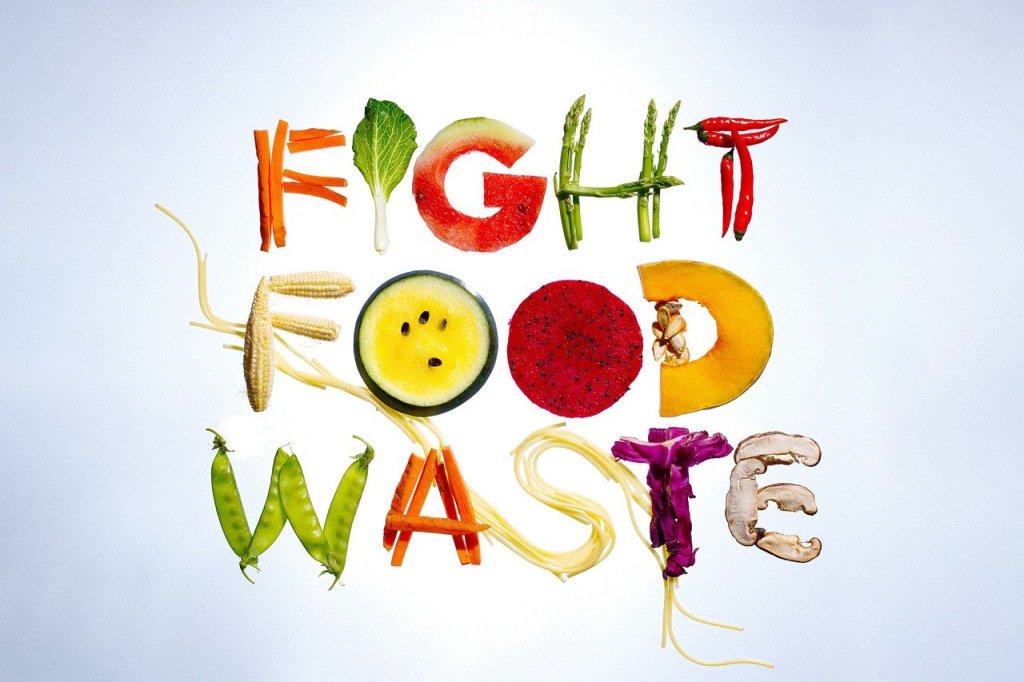
With the increasing burden of ESG put on different business sectors, the hospitality industry is already on its flight for green movements. Environmental wastes in hotel businesses include carbon emissions, food waste, water consumption, plastics, etc. Hotels are a big chunk of pollution to the environment, but this post will mainly delve into the food waste. Food waste is created in almost every stage of the inventory management from getting the ingredients to the food being served on the table. The hospitality industry urgently needs to seek ways for sustainable food waste management. To meet society’s elevating needs for sustainability, innovative methods should be applied to handle the disposal of the food waste. The more customers can keep the words ‘green’ and ‘eco-friendly’ in their minds within their hotel selections.
Considering the big corporations (KRW 2 trillion in assets) in S.K. to be in regulations of mandatory ESG reporting from 2025, its regulations will further be applied to smaller companies in the nearer future. This proves how ESG gained its power in the business management sectors. The hospitality industry, a big part of business affecting the environment will be put under pressure of disclosure requirements and so as the smaller hotels. This may be a great time for hotels to be proactive with ESG managements.
Malaysia, the hot spot for tourism and wedding trips operates a big hospitality industry. Hotels with sustainable management will likely to survive longer considering the mounting burdens from both the customers and the governments. This research article examines the evolution of sustainability integration in the hotel industry, resulting in the emergence of “green hotels.” The Frangipani Hotel, located in Langkawi, Malaysia, serves as a guiding example of pioneering efforts in becoming a green hotel. As stated on its website, The Frangipani Hotel has implemented 300 initiatives to effectively reduce its carbon footprint. Here, they bring traces of their sustainable history and this E-book can be found on their website under the ‘green practices’ category.
The E-book encompasses the process of food farming to waste management. The hotel partly produces its food from its own gardens. One of their gardens is located along the sidewalks which also serves as lowering the temperature of the paves. They are using coffee and tea dust for composting purposes and leftover foods for animal rearing. Composting methods varied by using organic kitchen waste/garden waste and dried leaves. The process from food farming to waste and the waste to organic composts is one way to create a circular economy in the hotel.
Considering that ‘food’ is a huge part of hotel businesses, this food section will be dealt in other posts as well. This includes sustainable garden farming, organic composts, the use of fertilizers, pesticides, and food waste management. Now is the time for hotels to move green and utilize sustainable approaches to bring more valuable outcomes.
[Yeon Kim’s SDGs, ESG, CSR] [2023]. All rights reserved.
The content on this blog is the intellectual property of [Yeon Kim]. Unauthorized use and/or duplication of this material without express and written permission from this site’s author and/or owner is strictly prohibited. Excerpts and links may be used, provided that full and clear credit is given to [Yeon Kim] with appropriate and specific direction to the original content.



 Yeon joong kim's Website
Leave a comment