
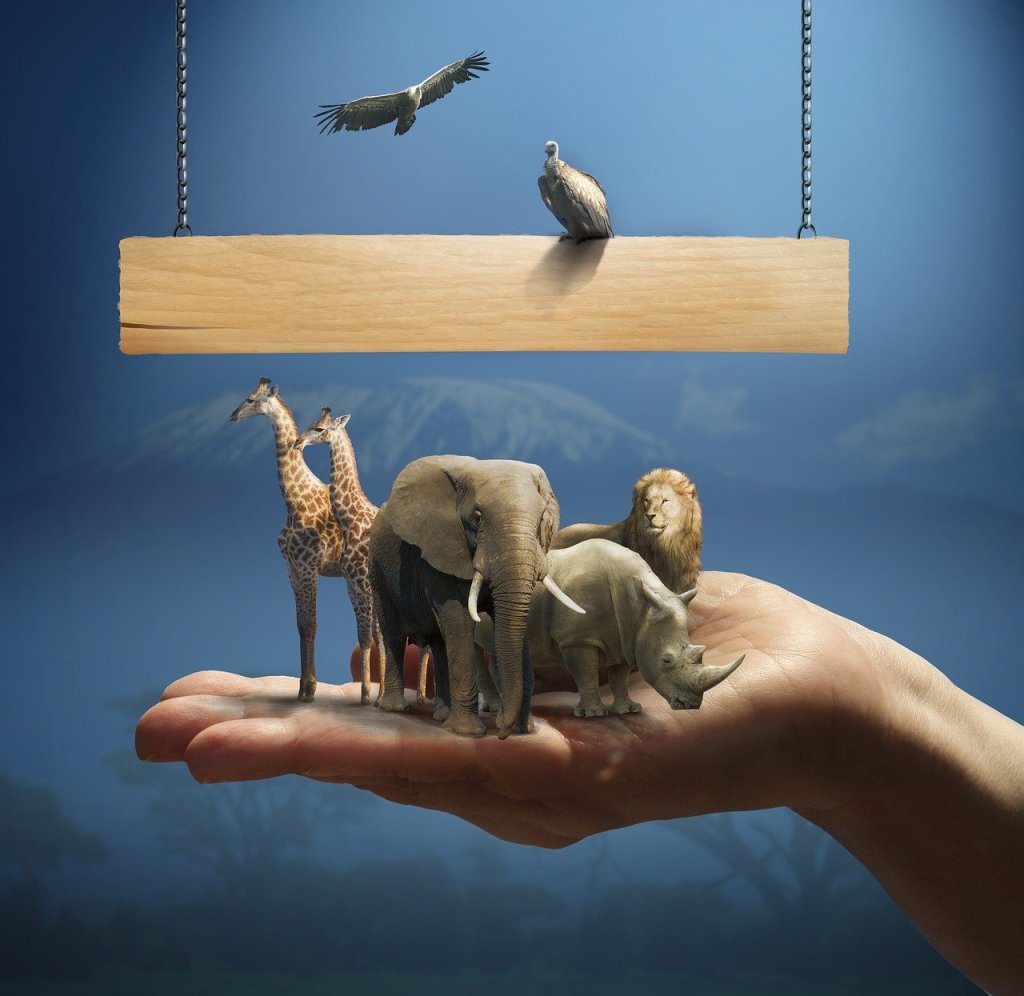
Why Zoo ESG? Majority of captivated animals are surviving under the extreme stress during their lifetime, not able to enjoy their freedom but parents who are taking their kids to the zoo seems to not aware of its severity or at least feel guilty about letting their children see animals in captivity. Both the supply and the demand side should be more considerate of what could be counted as an ethical behavior within zoo. Currently in South Korea, people started to pay more attention to pain of the animals in the zoo or the aquarium through the news media coverage about the weird behaviors of the captivated animals. Small cages are insufficient for especially big-sized animals causing their repetitive behaviors which is a sign of an extreme stress according to an animal expert. Not just an inadequate spacing but the human intervention in the breeding process and animals being constantly exposed to the visitors are worsening their stress. Their health and welfare should be one of the priorities of the zoos, which is one aspect to be discussed in improving Zoo ESG managements. This post will overview how zoos are making compliance with the animal welfare standards and make recommendations on how zoos should be reacting to the changing perspectives on animal treatments.
Although I align to animal activists’ claims of zoos being highly unethical, it’s inevitable to not to expect any zoo visitors in the upcoming years. Then how can ESG be incorporated to the zoo managements to pursue more ethical operations? Animal welfare checklist from the United States Department of the Agriculture listed 12 indicators stressing the importance of the diseases avoidance and suitable environments being provided to the animals. However, 12 indicators may not contain all the important sources of animal caring. The other research article from Draper and Harris also provide checklist used by the local authorities in the Great Britain, the ZI (Zoo Inspectors). The checklist they used does not cover all the materials from the actual checklist the ZIs are using but one notable point here is that all zoos are required to be audited by the inspectors at least once in three years. Although this research questioned whether the ZI’s assessments are adequate in terms of genuinely catching the quality of the animal welfare services, it’s still a hopeful news that zoos are required to be inspected by the auditors. The press releases from the South Korean government ministry of the Environment envisions to increase sustainability of the zoo by 2025. Some of the changes include the license system, utilizing ‘Zoological Information Management System’, banning wild animal cafes, etc. These reforms were based under their theme of creating the “zoo where both people and the animals are happy.” Their own checklist contains the section about the animal’s habitat, which examines the appropriateness of their living environment, it only contains four questions.
- Are the animal cage appropriate in terms of materials, rugs, shelter, structure, light being well structured for animal habits?
- Does it make compliance with the minimum breeding standards? (Is the size of the cage suitable in contrasted with the size of the animals?)
- Does it consider the temperature and environment suitable to animals’ habits?
- Does it operate animal behavior enrichment programs to keep the animals active?
These checklists under the government ministry concerns animals’ health which is a progress compared to the past. However, it continues to raise significant concerns and contradictions, such as the belief that no cages can truly accommodate the natural size requirements of wild animals. Who holds the authority to determine the appropriateness of cage sizes or the adequacy of habitats in zoos? Is it really enough if they operate the animal behavior enrichment programs? Who can prove such programs will make animals feel happier and help them to be more active? Why should they make compliance with the minimum and not the maximum standards for animals’ breeding practices?
Given these contradictions, I find myself leaning towards the viewpoint of animal activists and not supporting the existence of zoos. We should continue to seek an alternative ways for children’s animal education. Seeing animals in real is more of an analog type where most of the students now learn through digital devices and their life-long partner is the Youtube. So as one of their ESG strategy, returning wild animals back to their habitats and coming up with programs using VR for children to explore the real savanna and the grasslands to see the animals may be one option. This way, children will also learn how much animals are better suited in their original habitats and that it’s not right for humans to keep or control the lives of animals. It is also an opportunity to learn about their real habitats and not from the an unethical cages. Also, it’s also crucial for zoos to continuously discover ways to reduce animal stress and seek the true meaning of co-existence.
[Yeon Kim’s SDGs, ESG, CSR] [2023]. All rights reserved.
The content on this blog is the intellectual property of [Yeon Kim]. Unauthorized use and/or duplication of this material without express and written permission from this site’s author and/or owner is strictly prohibited. Excerpts and links may be used, provided that full and clear credit is given to [Yeon Kim] with appropriate and specific direction to the original content.


 Yeon joong kim's Website
Leave a comment