
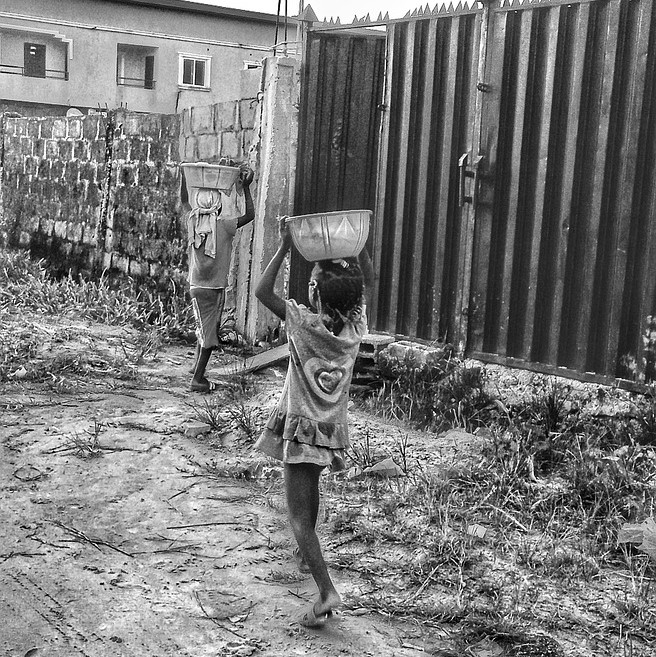
Image Credit : Pixabay
Chocolates are sweet. For those with sweet tooth, it’s hard to resist some chocolates a day. I’m sure a lot of you who loves to eat sweets will feel the same. Albeit such sweetness, the process of making chocolates are not so sweet. One of the primary components of chocolates are the cocoa beans.
This cocoa beans, the raw material for chocolates mostly comes from the West African countries, the Ghana and the Ivory coast. Ghana and the Ivory coast are the top two cocoa bean producer countries. Their programs called the CIGCI, the Côte d’Ivoire-Ghana Cocoa Initiative (CIGCI) were launched to boost the sustainability within the cocoa industry. The program supports environmental protection, farmer’s decent income, etc. However, up until recently, these primary producer countries have continued to grapple with sustainability issues, including challenges related to cocoa smallholder farmers’ fair income, deforestation, declining output caused by climate change, and more. Other serious issues in the cocoa sector includes continuous child labor, the failure of the LID policy and no notable achievements from chocolate companies amid partnering up with the primary sourcing countries in terms of raising sustainability.
The multifaceted approach is important to eradicate such issues since interrelated complexities exists. This post will review such complexities and discover areas of improvements in the cocoa sector of the West African countries. This will also serve as a guide for customers on how to respond to sustainability concerns when it comes to cocoa producing.
Why does the child labor sounds like a never ending story amid efforts of chocolate corporations and customers’ high awareness? International community is accustomed to such issues through the media and we all know that this is against the morality. The lawsuit toward chocolate corporations like Nestle, Mars and Hershey indicated that they have failed to uproot the issues of child labor in their cocoa farms. Then here’s the questions. Why is it so delaying? Is it the corporations or the West Africans governments not seeking radical approaches in creating effecitve policies? Should they acknowledge that the issue is not addressable and pursue an alternative approach?
Approximately 1.8 to 2 million smallholder farmers in West African countries and the Ivory coast lives in extreme poverty. Majority of cocoa farms run on family business within 2 to 2.5 hectares of land. They are constantly experiencing the poverty trap with no rooms in escaping the threshold of an ‘extreme poverty.’ Their extreme poverty is one of the biggest contributor to child labor.
The living income differential policy, the LID policy was initiated by the government of Ghana and the Ivory coast to increase the living income of the farmers. It charged premiums to corporations, an additional $400 with a ton of cocoa beans. However, the opaque process in distribution of premiums and the corporations slightly increasing their purchase from the countries with no premium requirements, it failed to improve the quality of life for farmers.
The exploitation of child labor by corporations was firstly publicized by one picture with a small boy sewing a Nike product in 1996. This picture became the driving force for many corporations to seek their own initiatives to raise sustainability in their own supply chains. Even if the child labor exploitation caught people’s attention during the 90s, no effective plans were driven by the countries or the corporations. We still see the high child labor exploitation around the globe. The child labor takes a long and systematic approach depending on its national context.
Jeffery Sachs mentioned in his book “The end of Poverty” that countries need to receive different prescriptions depending on their own national context. Then what are the root causes of child labor in cocoa farms in African countries? What would be the best prescription for the countries still depending on the child labor? Most media depicts child labor as immoral but does not deeply trace the cultural backgrounds of the issue. Tracing the socio-cultural backgrounds of the cocoa farms, family labor was one of the major contributors in the operation of the cocoa farms and the break down of the breadwinner system by divorces had brought children into the farms. These cultural backgrounds and the ambiguous line between the child labor and child work constantly led children out to the farms.
Then if there is a clear line between the child labor and child work, will it be moral for us to let the children work in farms to help their family business? Is it really necessary to put responsibility on children even if its just the minimal requirements? Inequalities exists in all countries but children getting involved in hazardous activities from their childhood means that they have less opportunities to dream for a better future. Albeit historical perspectives engaged in the cocoa farms hinder the full eradication of child labor in the cocoa farms, the continuous effort should be made by the stakeholders. These stakeholders incorporates the government, corporations and the customer themselves. Reforms on the LID policies and corporations’ transparent traceability of the cocoa beans should come up as a priority task. The way to sustainable farming may be time consuming but the reforms will bring positive changes in giving fruitful lives to the farmer families.
[Yeon Kim’s SDGs, ESG, CSR] [2023]. All rights reserved. Excerpts and links may be used, provided that full and clear credit is given to [Yeon Kim] with appropriate and specific direction to the original content.


 Yeon joong kim's Website
Leave a comment